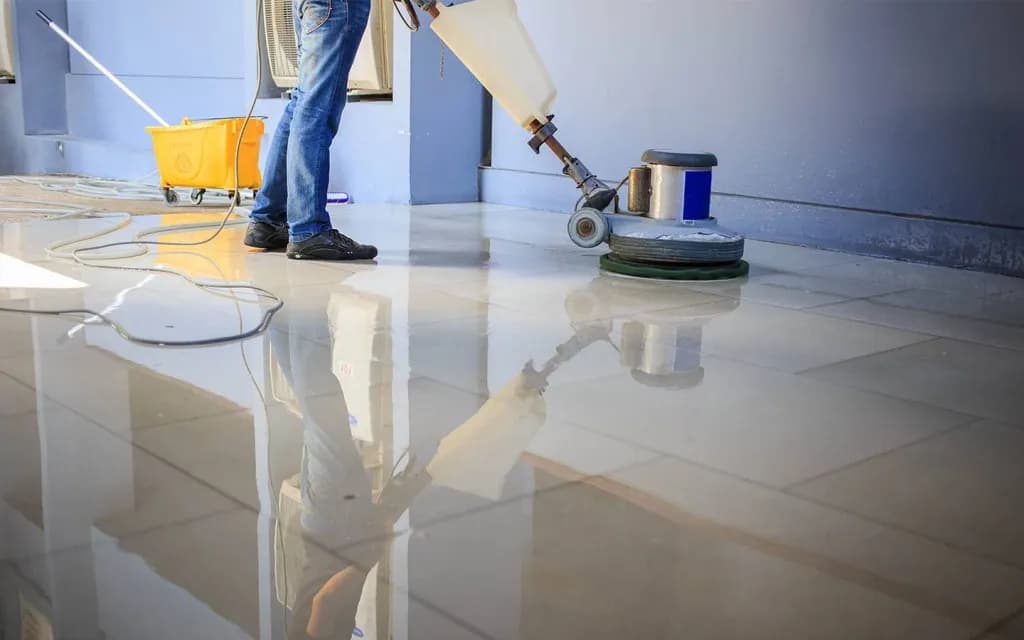
Why Marble Floors Lose Their Shine
Marble is one of the most beautiful flooring materials you can install in a Singapore home. It is cool underfoot, timeless in appearance and adds real resale value. But marble is also a soft, calcium-based stone — and that means it reacts to almost everything it touches.
Over months and years, everyday foot traffic, sand tracked in from outside, harsh cleaning chemicals and accidental spills slowly etch away the polished surface layer. The result is a floor that looks dull, cloudy or scratched even after you have just mopped it.
The good news is that marble does not need to be replaced when this happens. Professional marble polishing restores the stone to a factory-like shine at a fraction of the cost of new flooring.
Signs Your Marble Floor Needs Polishing
Marble rarely deteriorates overnight. Watch for these early warning signs before the damage becomes expensive:
- Dull, cloudy patches that no amount of mopping will fix
- Fine scratches visible when light hits the floor at an angle
- Etch marks — white or light grey rings left behind by water, wine, citrus or vinegar
- Dark stains from oil, sauce or rust that have soaked into the stone
- Loss of reflection — the floor no longer mirrors light or furniture
- Uneven texture where heavy traffic has worn down certain pathways
If you notice two or more of these signs, it is time to book a professional assessment.
The Marble Polishing Process Explained
Professional marble restoration is a multi-stage process. Skipping stages is the most common reason DIY polishing looks patchy. Here is how a proper job should be carried out.
1. Assessment and Surface Preparation
The technician identifies the marble type, the depth of the scratches and any stains. Furniture is shifted, edges and skirting are protected, and the floor is vacuumed clean so grit does not get dragged around by the machine.
2. Diamond Grinding and Honing
Industrial diamond pads are used in progressively finer grits. Coarse pads remove deep scratches and level out uneven areas; finer pads smooth the surface until it feels silky. This stage is what removes the visible damage rather than hiding it.
3. Polishing and Crystallisation
Once the surface is smooth, a polishing powder or crystallisation agent is worked into the stone. This reacts with the calcium in the marble to create a hard, glossy layer. The result is the deep, wet-look shine that people associate with high-end marble lobbies.
4. Sealing and Protection
Finally, an impregnating sealer is applied. Sealer does not make marble waterproof, but it slows down absorption so spills stay on the surface long enough for you to wipe them up.
How Much Does Marble Polishing Cost in Singapore?
Pricing depends on the total floor area, the condition of the stone and whether repairs are needed. As a general guide for the Singapore market:
- Light polishing or re-buffing: lower cost per square foot, suitable for floors that are only mildly dull
- Full grinding and polishing: higher cost per square foot, required for scratched or etched floors
- Stain removal and poultice treatment: charged per affected area
- Chip and crack repair: priced per repair, using colour-matched resin
Prices vary between contractors and change over time. Always request an itemised quotation after a physical site inspection rather than accepting a phone estimate.
How Often Should You Polish Marble in Singapore?
As a practical guideline:
- Residential homes: full polishing every 2 to 3 years
- Condominium lobbies and corridors: every 6 to 12 months
- Retail units and showrooms: every 3 to 6 months
- Offices and F&B outlets: every 6 to 9 months depending on footfall
DIY Marble Polishing vs Professional Restoration
Off-the-shelf marble polish and floor waxes can create a temporary sheen, but they typically sit on top of the stone rather than restoring it. Over time, layers of wax trap dirt and turn yellow.
Professional restoration uses diamond abrasives that physically remove the damaged layer. It takes longer, costs more up front, and lasts far longer. For anything beyond very light dullness, professional work is almost always the better value.
Marble Aftercare Tips for Singapore Homes
- Place mats at every entrance to trap sand and grit before it reaches the marble
- Use felt pads under furniture legs and lift — never drag — heavy items
- Clean with a pH-neutral stone cleaner, never vinegar, bleach or acidic bathroom sprays
- Wipe up spills immediately, especially wine, citrus, oil and sauces
- Use coasters and trays under potted plants to prevent water rings
- Sweep or vacuum with a soft brush attachment before wet mopping
- Reapply sealer every 12 to 18 months in high-traffic areas
Frequently Asked Questions
How long does marble polishing take?
Most residential floors take one to two days. Larger commercial areas are usually completed in phases so that business can continue.
Will polishing remove all stains?
Organic stains usually lift with poultice treatment. Deep oil-based or rust stains may lighten significantly but not disappear completely, depending on how long they have been in the stone.
Is the process dusty?
Dust-controlled machines and protective sheeting keep mess to a minimum. Furniture is moved and covered before work begins.
Can I walk on the floor immediately?
Most floors can be walked on gently within a few hours. Heavy furniture is best left for 24 hours so the sealer can cure.
Get a Free Marble Polishing Assessment in Singapore
Tuhfa Construction Pte Ltd specialises in marble, granite and tile polishing for homes, offices and commercial spaces across Singapore. We provide a free on-site assessment, an honest itemised quotation and dust-controlled workmanship.
Call or WhatsApp +65 8576 6635 or email Tuhfa.construction@gmail.com to arrange your site visit.